Plumbing is the silent heartbeat of a modern home. When it works, we don’t give it a second thought. We turn a handle, and clean water appears; we flush a handle, and waste disappears. However, when something goes wrong, it can quickly turn from a minor inconvenience into a costly nightmare.
Understanding the basics of your home’s plumbing system is one of the most important aspects of homeownership. In this comprehensive guide, we will explore everything from preventative maintenance to common DIY fixes and the critical signs that you need professional help.
1. Understanding Your Home’s Plumbing Anatomy
To fix or maintain a system, you first have to understand how it works. Most residential plumbing consists of two main subsystems that do not overlap:
The Potable Water Supply System
This system brings fresh water into your home under pressure. It relies on a main supply line from a city source or a private well. This water travels through your pipes to faucets, showers, toilets, and appliances like your dishwasher and washing machine.
The Drain-Waste-Vent (DWV) System
Once water goes down the drain, it enters the DWV system. Unlike the supply side, this system relies on gravity. It carries wastewater to a septic tank or city sewer. The “vent” part of this system consists of pipes that exit through your roof, allowing air into the drainpipes so the water flows out smoothly (preventing that “glug-glug” sound).
2. Essential Preventive Maintenance
The best way to handle a plumbing emergency is to prevent it from happening in the first place. Here are the golden rules of plumbing maintenance:
Watch What You Flush
Your toilet is not a trash can. Even items labeled “flushable” often fail to break down properly, leading to massive clogs in your main sewer line.
- Never flush: Baby wipes, paper towels, feminine hygiene products, dental floss, or cotton swabs.
- Only flush: Human waste and toilet paper.
Be Mindful of the Kitchen Sink
Fat, oil, and grease (known in the industry as FOG) are the enemies of your pipes. While they may be liquid when hot, they solidify as they cool inside your drains, creating a “fatberg” that catches other debris.
- Pro Tip: Pour excess grease into a glass jar or tin can, let it harden, and throw it in the trash.
Check for Silent Leaks
A tiny drip might not seem like much, but a leaking faucet can waste over 3,000 gallons of water per year.
- The Toilet Dye Test: To check for a silent leak in your toilet tank, drop a few drops of food coloring into the tank. If color appears in the bowl after 15 minutes without flushing, your flapper valve is leaking and needs replacement.
3. Common Plumbing Problems and DIY Fixes
Many minor plumbing issues can be solved with a little patience and the right tools.
Low Water Pressure
If your showerhead or faucet feels like a weak drizzle, the culprit is often mineral buildup.
- The Fix: Unscrew the aerator (the mesh screen at the tip of the faucet) or remove the showerhead. Soak it in a bowl of white vinegar overnight to dissolve calcium deposits. Scrub with an old toothbrush and reinstall.
Slow Drains
Before reaching for harsh chemical cleaners (which can actually corrode your pipes over time), try a mechanical solution.
- The Fix: Use a zip-it tool or a plastic drain snake to pull out hair clogs from bathroom sinks. For kitchen sinks, a mixture of baking soda followed by vinegar and a hot water flush can break up minor organic buildup.
The Running Toilet
A toilet that “runs” constantly is usually caused by a faulty flapper or a fill valve that is set too high.
- The Fix: Check the chain connecting the handle to the flapper. If it’s too long or too short, the flapper won’t seal. If the flapper looks cracked or worn, they are inexpensive and easy to replace.
4. The Homeowner’s Essential Plumbing Toolkit
If you want to be prepared for basic repairs, every home should have these five items:
| Tool | Purpose |
| Flange Plunger | Specifically designed with a fold-out flap to clear toilet clogs. |
| Cup Plunger | The flat-bottomed plunger used for sinks and tubs. |
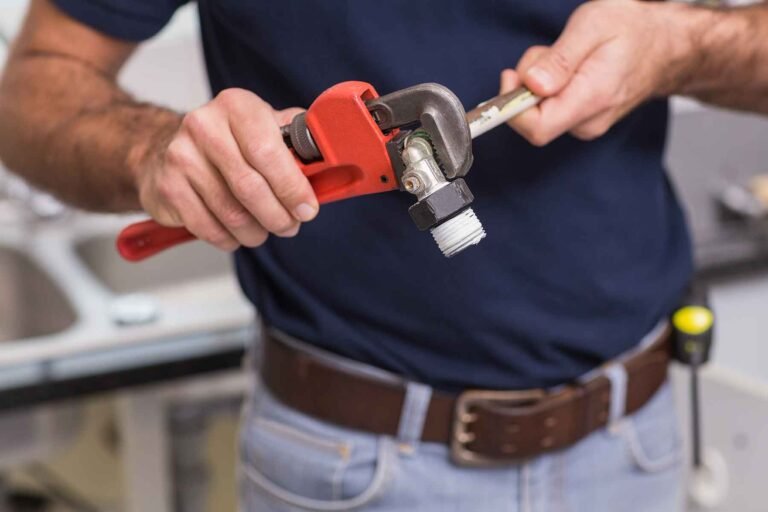
| Pipe Wrench | Used for gripping and turning heavy-duty pipes and fittings. |
| Plumber’s Tape (Teflon) | A thin white tape used to create a watertight seal on threaded pipe joints. |
| Hand Auger (Drain Snake) | For clearing clogs that a plunger can’t reach. |
5. When to Call a Professional Plumber
While DIY is great for saving money, some situations require the expertise, specialized tools, and licensing of a professional. Attempting these yourself could lead to water damage or code violations.
1. Persistent Low Pressure Throughout the House
If the pressure is low at every fixture, the problem is likely in the main supply line, a failing pressure regulator, or a serious leak hidden behind a wall.
2. No Hot Water
Water heaters are complex and involve either high-voltage electricity or natural gas. If your water heater is leaking from the tank or failing to heat, call a pro. Attempting to repair a gas line or a heating element without training is a safety hazard.
3. Sewage Backups
If sewage is backing up into your bathtubs or floor drains, you have a main line clog. This requires a heavy-duty motorized snake or “hydro-jetting” to clear, which are tools not typically found in a homeowner’s garage.
4. Visible Water Damage
If you see brown spots on your ceiling, mold growth on baseboards, or hear the sound of running water when all faucets are off, you have a hidden leak. Professionals use ultrasonic leak detection and thermal imaging to find the source without tearing down every wall.
6. Upgrading for Efficiency: The Future of Plumbing
If you are looking to renovate or simply reduce your utility bills, consider these modern plumbing upgrades:
- Tankless Water Heaters: These heat water on demand rather than keeping 50 gallons hot 24/7. They take up less space and can significantly lower energy bills.
- Low-Flow Fixtures: Modern low-flow toilets and aerated showerheads provide great pressure while using a fraction of the water.
- Smart Leak Detectors: These devices attach to your main water line and can detect abnormal flow patterns. Some can even automatically shut off your water if a pipe bursts while you’re at work, potentially saving you thousands in floor and furniture damage.
Conclusion: Respect the Pipes
Your plumbing system is a marvel of engineering that provides comfort and sanitation. By performing regular inspections, being mindful of what goes down your drains, and knowing your limits when it comes to DIY repairs, you can ensure your home remains a dry and functional sanctuary.
Remember: A small investment in maintenance today prevents a massive headache tomorrow.